
Jaw Pain & TMJ Therapy

A Conservative, Personalized Approach to Jaw Pain, Headaches & Muscle Tension

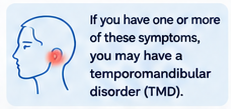
Do You Experience Any of These Symptoms?

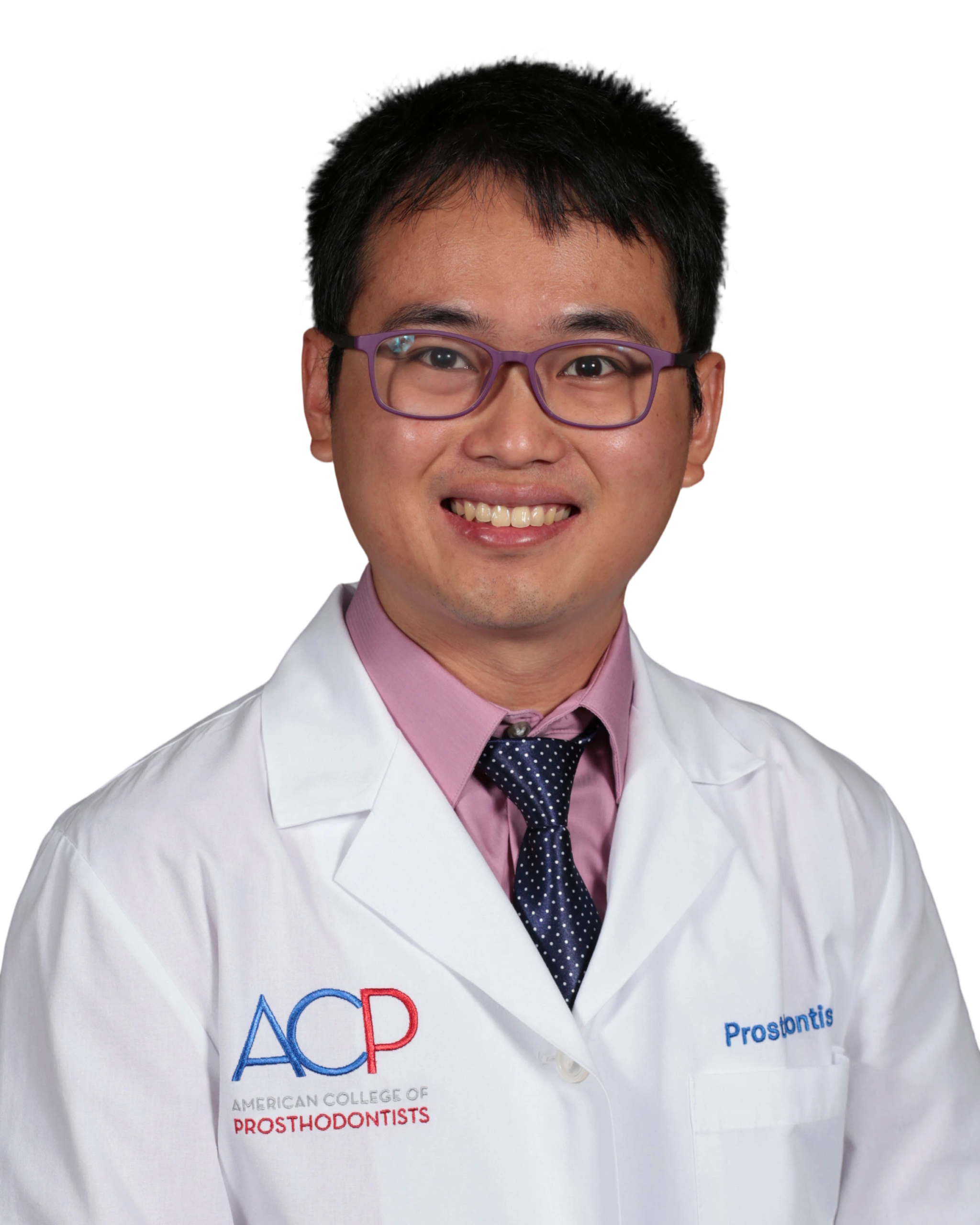
Meet

Dr. Peixi Liao

BDS, CAGS, DScD

Prosthodontist

Digital Dentistry

Researcher

No Routine Botox

A conservative approach
Without injections

Look Beyond the Teeth

Consider muscles, joints,
bite, movement and posture

See How Your Bite Moves

Advanced jaw-tracking technology for dynamic analysis.

Conservative First

No unnecessary MRI or
expensive tests

Long-Term Care

Ongoing follow-up for
lasting stability
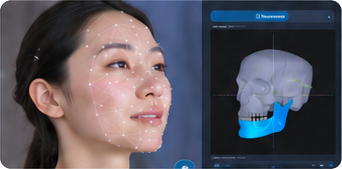
Don't Just Look at the Bite. Look at How the Bite Moves.

A bite can look normal when your teeth are still, but it may behave very differently during movement.

Dr. Liao uses Vision Dentistry's advanced jaw-tracking technology to capture your real jaw movement and see

how your upper and lower teeth interact throughout that movement.

1. Capture Jaw Movement

Markerless, comfortable, and quick setup
(about 10 seconds)
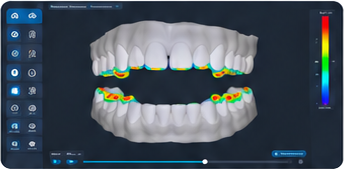
2. Analyze Your Bite in Motion

See how your teeth contact during
real jaw movement
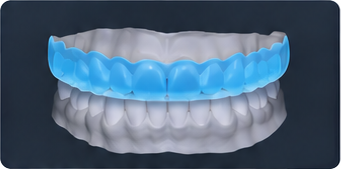
3. PersonalizeYourTreatment

Use real movement data to design a
customized occlusal appliance (night guard)

Learn More About Our Novel Jaw Tracking Technique (Vision Dentistry)

Explore the technology, clinical applications, and key advantages in our product brief.

Our TMD Treatment Process

A step-by-step, personalized approach to restore comfort and function.

Evaluate

Understand your symptoms and jaw function

Relax

Reduce excessive muscle tension

Stabilize

Find a comfortable and reproducible jaw position

Reassess

Evaluate the bite after stabilization

Restore

Treat contributing factors if indicated (e.g., occlusion or restorations)

Monitor

Follow up and maintain long-term stability

FAQs


Botox temporarily reduces activity in targeted muscles. It may help selected patients, but it does not necessarily address all the factors contributing to jaw pain. Repeated injections may also carry risks, including muscle weakness or atrophy.

Dr. Liao prefers to begin with conservative therapies, including customized occlusal appliances, to improve muscular comfort and jaw function.


TMD has multiple potential contributing factors, and the bite is not established as the primary cause in most patients.

Dr. Liao considers occlusal relationships alongside muscles, joints, habits, pain patterns, and jaw movement. His preferred approach is to improve muscular stability before deciding whether any occlusal treatment is appropriate.

Dr. Liao uses an individualized prosthodontic approach to appliance design, considering muscle symptoms, jaw function, and occlusal relationships.

The appliance is intended to support conservative treatment and allow reassessment over time. Appliance design and adjustments depend on each patient’s findings.

Not necessarily. Most evaluations begin with a detailed history and clinical examination.

MRI may be appropriate for suspected soft-tissue or internal joint problems, while CBCT can help evaluate certain bony conditions.

Advanced imaging is recommended when findings suggest it may change diagnosis or management.

Most TMD patients can begin with non-surgical management.

Referral to an oral and maxillofacial surgeon may be appropriate for significant structural abnormalities, selected joint disorders, trauma, or persistent severe problems that warrant specialist evaluation.

Surgery is not automatically required simply because TMD is present.

Certain headaches, especially those influenced by jaw movement or muscle activity, can be associated with TMD. Head and neck symptoms may coexist as well.

However, migraines, headaches, and postural problems have many possible causes, so evaluation should not assume they all originate from the jaw.

Prosthodontists are trained to evaluate complex relationships among teeth, restorations, occlusion, and jaw function.

This perspective is especially valuable when patients have extensive dental restorations, tooth wear, missing teeth, implants, or complex restorative needs.

TMD care still requires individualized diagnosis and, when needed, collaboration with other specialists.

Treatment time varies depending on symptoms, diagnosis, chronicity, and response.

Some patients improve with relatively simple conservative care, while others require longer monitoring.

Dr. Liao emphasizes reassessment and follow-up rather than promising that a single appliance or appointment will permanently resolve symptoms.

Many patients experience meaningful improvement in pain and function, but outcomes vary and recurrence can occur.

The goal is comfortable, sustainable jaw function with appropriate long-term management, not a guaranteed permanent cure.